

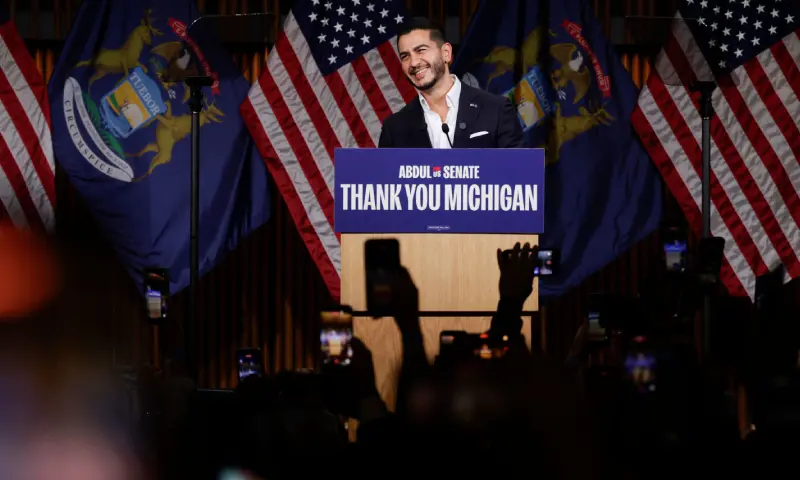
The 2026 U.S. midterm elections delivered a historic breakthrough for Muslim Americans and pro-Palestinian political voices, with Abdul El-Sayed becoming the first Muslim elected to the United States Senate after defeating Republican Mike Rogers in Michigan. His victory came despite tens of millions of dollars in opposition spending, including substantial financial intervention by organisations associated with the pro-Israel lobby. Across the country, other Muslim, Palestinian-American and pro-Palestine candidates also secured significant victories, signalling a potential shift in American electoral politics.
From Michigan to New York and New Jersey, these results demonstrated that candidates openly critical of Israeli government policies could achieve electoral success while campaigning on healthcare, affordability, immigration reform and economic justice.
Abdul El-Sayed’s Historic Michigan Senate Victory
Abdul El-Sayed’s victory in Michigan was one of the defining moments of the November 3 elections.
The 42-year-old physician and former executive director of the Detroit Health Department defeated former Republican Congressman Mike Rogers in the contest to replace retiring Democratic Senator Gary Peters.
Born to Egyptian immigrant parents and raised in Michigan, El-Sayed entered national politics as a progressive advocate for universal healthcare, economic equality and stronger protections for working families.
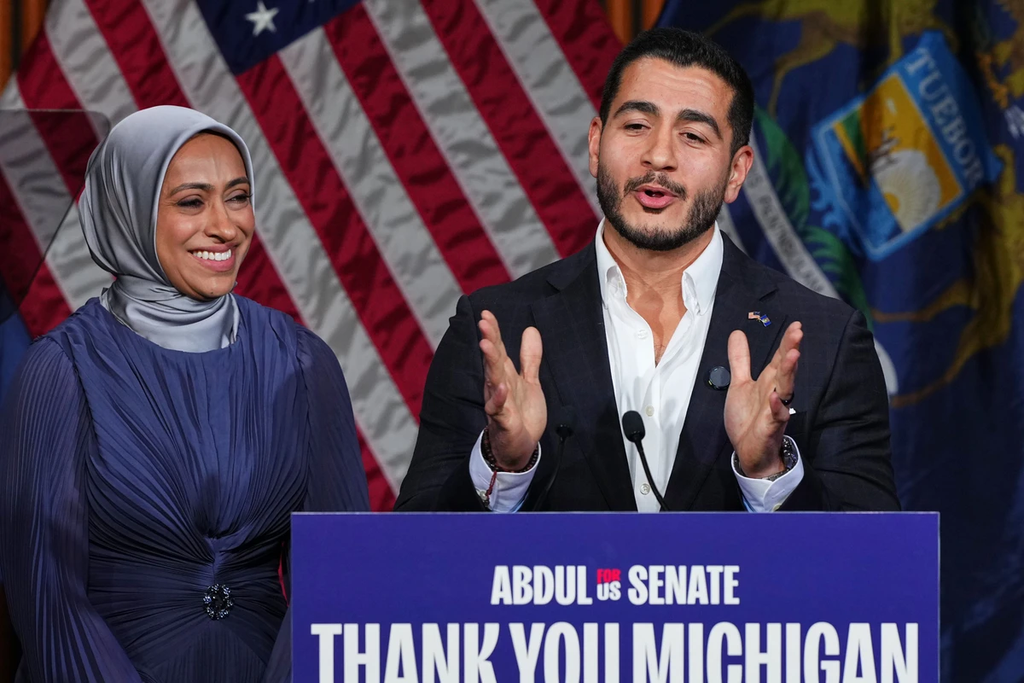
His political journey included an unsuccessful campaign for Michigan governor in 2018. Eight years later, he returned with a platform centred on Medicare for All, affordable housing, labour rights and reducing corporate influence over government.
However, his outspoken support for Palestinian rights also placed him at the centre of an increasingly contentious national debate.
Standing for Palestinian Rights Despite Political Opposition
El-Sayed repeatedly criticised U.S. military assistance to Israel and argued that American taxpayers’ money should prioritise domestic needs rather than financing overseas conflicts.
His campaign faced considerable opposition from pro-Israel political organisations, particularly the American Israel Public Affairs Committee (AIPAC) and its associated political action committee, United Democracy Project.
According to Al Jazeera’s August 2026 investigation, United Democracy Project had spent approximately $30.6 million during Michigan’s Democratic primary, which El-Sayed won against Congresswoman Haley Stevens.
The campaign also faced attacks concerning El-Sayed’s Muslim identity and political beliefs. Al Jazeera reported that President Donald Trump and Republican allies employed anti-Muslim rhetoric against him.
Yet El-Sayed prevailed in a competitive state that Trump had carried in the 2024 presidential election.
His victory challenged the assumption that openly progressive candidates supporting Palestinian rights cannot win major statewide elections.
More Muslim and Pro-Palestinian Candidates Make History
El-Sayed’s breakthrough was accompanied by victories elsewhere, bringing new advocates of Palestinian rights into Congress and state legislatures.
Darializa Avila Chevalier Wins in New York
In New York’s 13th Congressional District, Darializa Avila Chevalier secured a congressional seat following an extraordinary campaign that began with her defeat of incumbent Democrat Adriano Espaillat in the June primary.
The daughter of working-class Dominican immigrants, Avila Chevalier is a community organiser, doctoral student and democratic socialist whose political activism includes immigrant rights, housing justice and Palestinian solidarity.
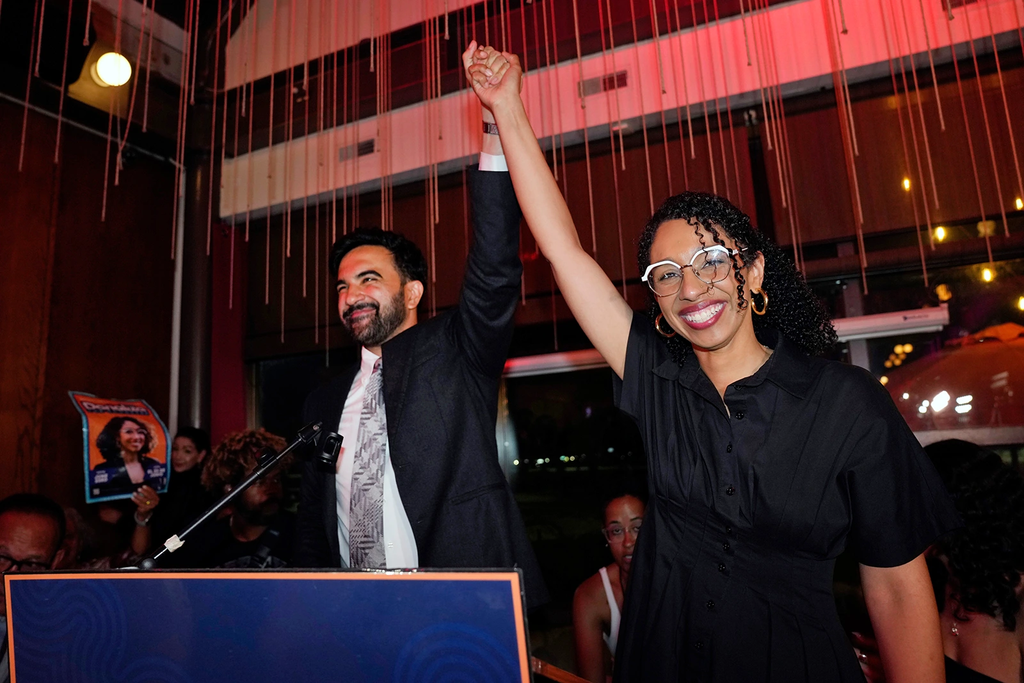
She previously participated in pro-Palestinian organising at Columbia University and publicly opposed Israel’s military operations in Gaza.
Supported by the Democratic Socialists of America and New York City Mayor Zohran Mamdani, she campaigned for universal healthcare, affordable housing, stronger workers’ rights and immigration reform.
Her election demonstrated that candidates emerging from grassroots protest movements could successfully transition into national political leadership.
Aber Kawas Becomes New York’s First Palestinian-American State Senator
Another historic victory came in New York, where Aber Kawas became the first Palestinian American elected to the New York State Senate, winning District 12 in Queens.
The daughter of Palestinian refugees, Kawas grew up witnessing the consequences of immigration enforcement after her father was detained and deported.
Those experiences helped shape her career as a community organiser advocating for immigrant protections, economic justice and civil liberties.
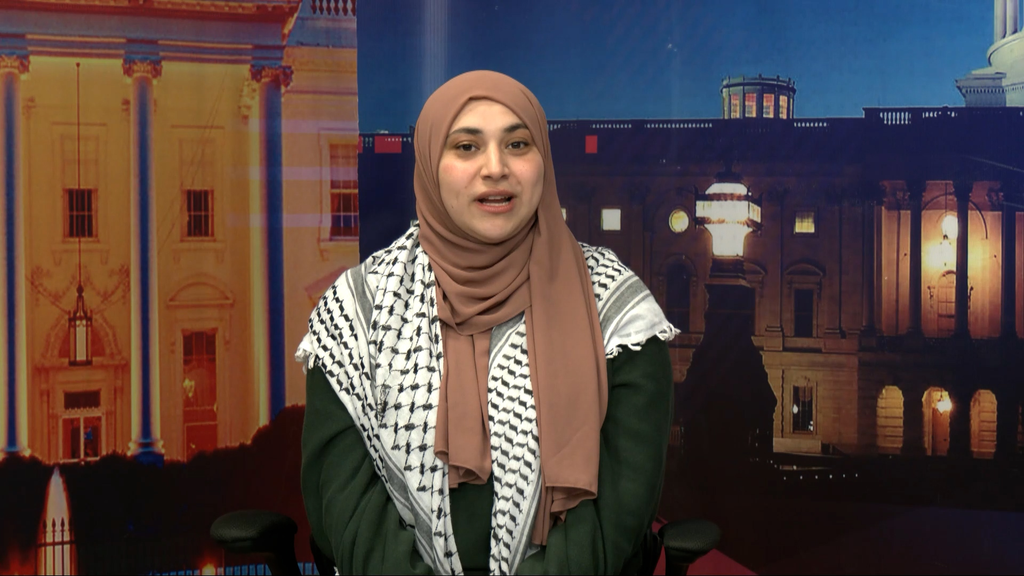
Her campaign combined local priorities, including affordable housing, improved public transportation and universal healthcare, with advocacy for Palestinian human rights.
Kawas also supported the Not On Our Dime campaign, which seeks to prevent tax-exempt charitable funds raised in New York from supporting Israeli settlement-related violence in the occupied West Bank.
Her election marked a milestone for Palestinian-American representation in state government.
Gaza Volunteer Surgeon Adam Hamawy Wins in New Jersey
In New Jersey, Egyptian-American surgeon Dr. Adam Hamawy won the state’s 12th Congressional District, becoming its first Muslim representative in the U.S. House of Representatives.
A former U.S. Army combat surgeon, Hamawy participated in medical missions to Gaza in 2024 and 2025.
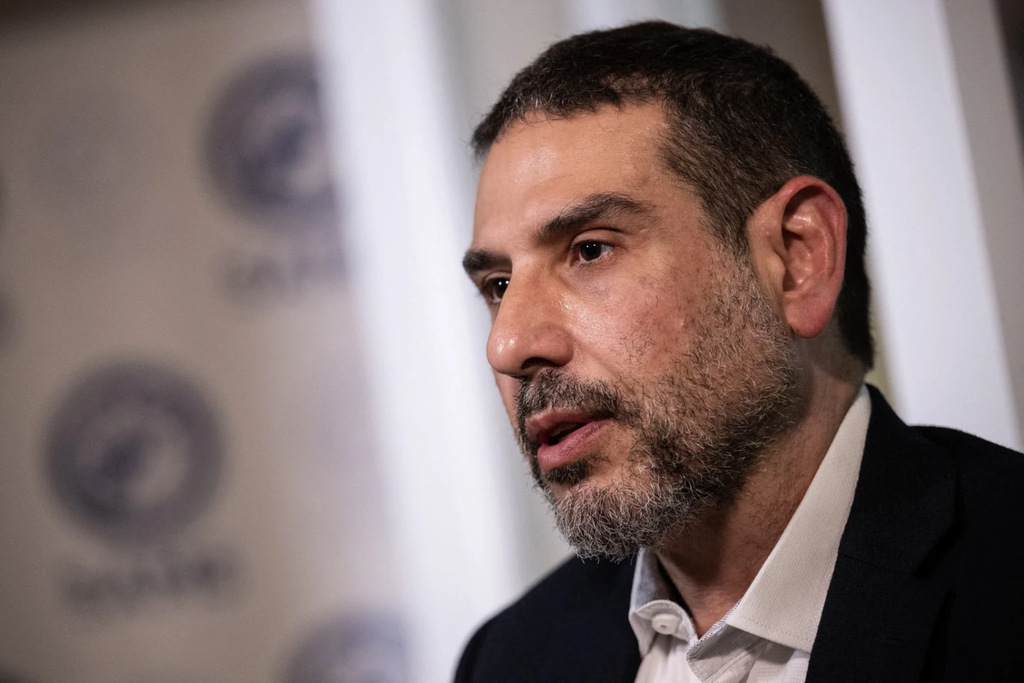
According to Al Jazeera, witnessing the humanitarian devastation and treating patients affected by the conflict helped inspire his political campaign.
Running on a platform of “healthcare not bombs”, Hamawy advocated universal healthcare, medical debt relief, immigration reform and an end to U.S. military assistance to Israel.
His victory gave Congress a representative whose position on Gaza was shaped by direct medical and humanitarian experience.
Rashida Tlaib and Ilhan Omar Secure Re-Election
The midterms also reinforced the political standing of two prominent Muslim-American lawmakers.
Rashida Tlaib, the Palestinian-American congresswoman representing Michigan’s 12th District, secured re-election and continued her long-standing advocacy for Palestinian self-determination.
Tlaib has consistently challenged U.S. military support for Israel and criticised American policy concerning Gaza, while advocating economic justice and protections for working-class communities.
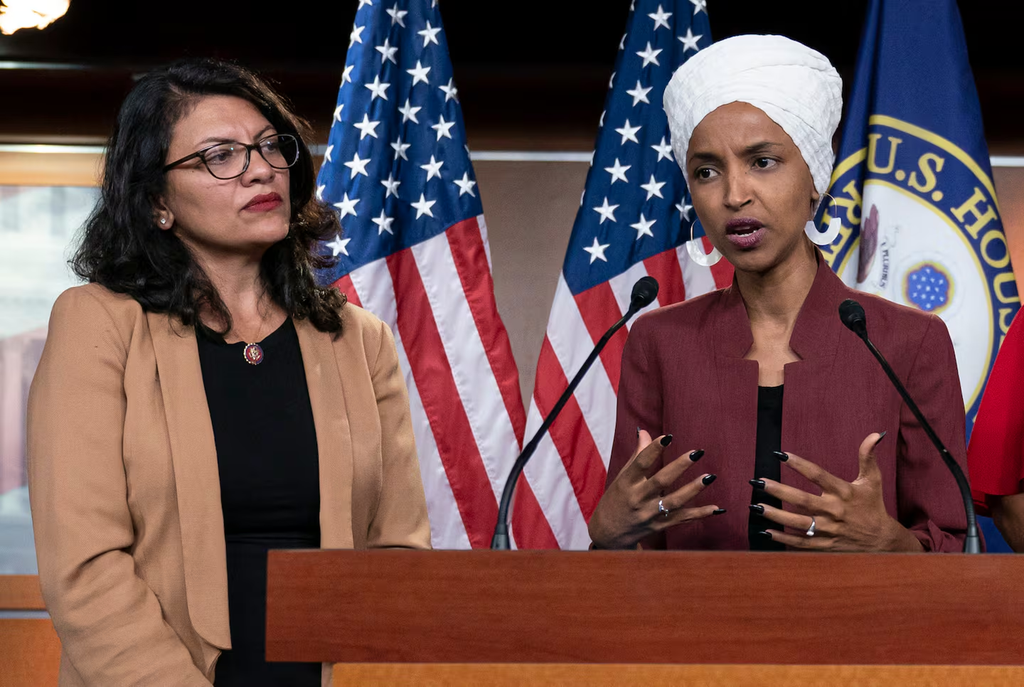
Meanwhile, Ilhan Omar, the Somali-American congresswoman representing Minnesota’s Fifth District, won a fifth term in Congress.
Since entering the House in 2019, Omar has become a prominent advocate for Palestinian rights, immigration reform, healthcare access and greater scrutiny of U.S. foreign policy.
Their re-elections, alongside the victories of new progressive candidates, strengthened the visibility of Muslim voices in American federal politics.
Millions in Pro-Israel Lobby Spending Failed to Stop Key Victories
One of the most consequential aspects of these elections was the extraordinary amount of money directed towards races involving candidates critical of Israeli government policies.
AIPAC and its affiliated political organisations have long supported candidates favouring a strong U.S.-Israel relationship, including continued military assistance and strategic cooperation.
The $42 Million Claim in Michigan
During his victory speech, Abdul El-Sayed stated that AIPAC had spent approximately $42 million against his campaign, thanking the organisation for providing him with the opportunity to defeat its preferred candidates twice.
Separately, Al Jazeera documented more than $30.6 million in United Democracy Project spending during the Democratic primary, alongside additional expenditures by other organisations supporting Stevens.
In New York, reporting by City & State found that the BOLD America super PAC spent at least $2.8 million opposing Avila Chevalier or supporting Espaillat during the Democratic primary. United Democracy Project contributed $650,000 to BOLD America, meaning the entire $2.8 million cannot accurately be attributed directly to AIPAC.
These financial interventions were important, but they were not the only forces shaping the elections. Candidate organisation, political alliances, district demographics and concerns about living costs also influenced the outcomes.
A Wider Political Shift in American Democracy
The 2026 midterms suggest that Palestinian rights advocacy is becoming more visible within progressive American politics.
For many of these candidates, foreign policy was closely connected to domestic priorities. They questioned why substantial public resources should support overseas military operations while Americans continued to struggle with healthcare costs, housing shortages and economic insecurity.
Their victories also reflected the growing influence of grassroots organisations, younger voters and immigrant communities.
However, the results do not establish that American voters nationwide have reached a consensus on Israel and Palestine. Several candidates won safely Democratic districts, and pro-Israel organisations continued to support numerous successful candidates.
The more significant development is that criticism of Israeli government policy did not prevent these particular candidates from winning.
A Historic Moment for Muslim and Palestinian Representation
From Abdul El-Sayed’s groundbreaking Senate victory to Aber Kawas’s election in New York and Adam Hamawy’s success in New Jersey, the 2026 U.S. midterms marked an important chapter in Muslim-American political representation.
The victories of Darializa Avila Chevalier, Rashida Tlaib and Ilhan Omar further demonstrated the electoral durability of candidates who openly advocate Palestinian rights.
Despite substantial political opposition and campaign spending, these candidates built winning coalitions around issues extending beyond foreign policy.
Their next challenge will be translating electoral success into legislative influence.
The defining lesson of the 2026 midterms is not that campaign financing has lost its influence, but that substantial financial opposition does not guarantee electoral defeat. These historic victories represent something bigger than individual campaigns.
They reflect the power of voters to shape the political direction of their country, and a growing demand for leadership that prioritizes people’s needs, protects their rights, invests in their communities, and offers a vision beyond political interests and wealthy donors.
Ultimately, these results are a reminder that elections are not won by money alone, but by the people who believe in a different future and show up to make it possible.