

Purple Don’t Cry began from real grief, not fiction. After losing a close friend to street violence in 2009, Boonaa Mohammed wrote the screenplay in his memory, infusing the film with that grief from start to finish. This is not an external observation of a community, but a story rooted in lived proximity to that pain, which gives it a natural emotional weight.
Directed by Mamoun S. Hassan, the film is a coming-of-age tragedy set in Toronto that treats urban Muslim youth as real individuals, not symbols or cautionary examples. It avoids simplifying their experiences and instead presents their lives with honesty, showing the pressures they face and their impact without exaggeration or distance.
What the Film Is About
Bilal is 24 years old. He works low-paying jobs and watches other people’s lives move faster than his. The legal path forward exists, but it is slow, grinding, and offers nothing resembling dignity or control in the short term. When the street presents an alternative, he takes it.
This is not a story about a young man who makes a bad decision because he is weak or foolish. It is a story about a structural reality that millions of young Muslim men in Western cities live inside: a system that asks for patience it has not earned and offers inclusion it does not mean. Street life does not look like destruction from the inside. It looks like an agency. That distinction is what most films about this subject refuse to make, and it is what Purple Don’t Cry gets exactly right.
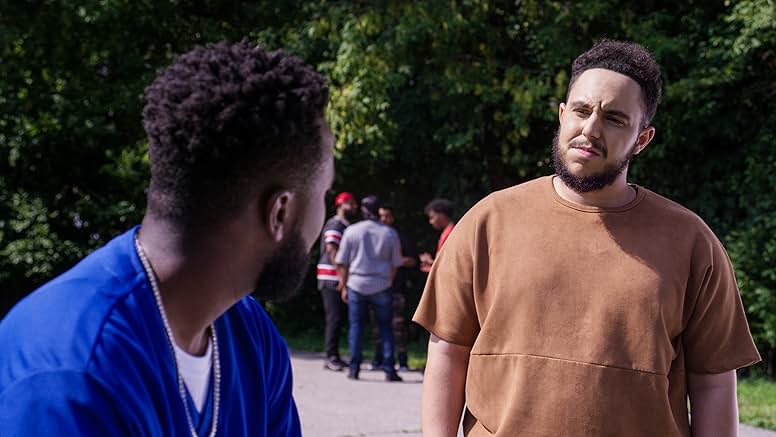
Essam Muhammad, a spoken word artist and actor, brings the character of Bilal to life. Two figures pull at him from opposite ends. Purple, played by Boonaa Mohammed, is older and has seen where this road finishes. He tries to use whatever influence he has to redirect Bilal before it is too late. Dutch represents the seductive logic of the streets: the money, the status, and the violence that enforces both.
The film does not construct a simple hero and villain. It constructs a set of circumstances and then lets you watch a young man navigate them.
It isn’t fiction trying to feel real. It’s pain that has been shaped into something the world can finally witness.
What the Film Is Actually Saying
Bilal’s story brings a long-standing question in Muslim communities to the surface: what happens to young men when neither the street nor the mosque feels built for them?
The tension between spiritual identity and the pull of consumer culture is not a niche concern. For Muslim youth growing up in Western cities, it is the defining pressure of their adolescence. The faith asks for patience, sacrifice, and long-term thinking. The culture around them sells shortcuts, status, and immediate return. Purple Don’t Cry does not pretend this tension is easy to resolve. It shows what it looks like when a young man stops trying.
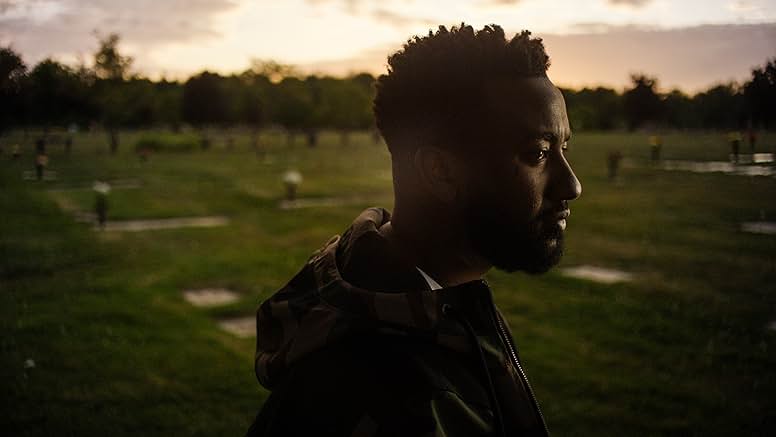
The character of Purple deserves attention beyond his role in the plot. He isn’t a sheikh or a community programme coordinator. He comes from the same world as Bilal and carries a clarity earned through experience about where that path leads. He represents a form of mentorship rooted in proximity rather than authority: the older brother, the reformed figure, the community elder who understands what a young person is feeling because he has lived it himself.
That kind of voice is absent from too many young Muslim men’s lives. The film is partly an argument for why that absence is dangerous.
Why Muslim Storytelling Like This Is Rare
Muslim characters in mainstream film and television occupy a narrow range of roles: the threat, the background figure, or the representation quota. When Muslim communities tell their own stories, those stories tend toward the devotional or the apologetic, films that explain Islam to outsiders or celebrate it for insiders without much room for the complicated middle ground where most people actually live.
Purple Don’t Cry refuses both options. Its characters are Muslim and flawed and fully realised. Their faith is not their defining characteristic or their alibi. It is one part of who they are, sitting alongside ambition, exhaustion, love, and very bad decisions. This reflects how most Muslims actually experience their identity, yet it is rarely how they appear on screen.
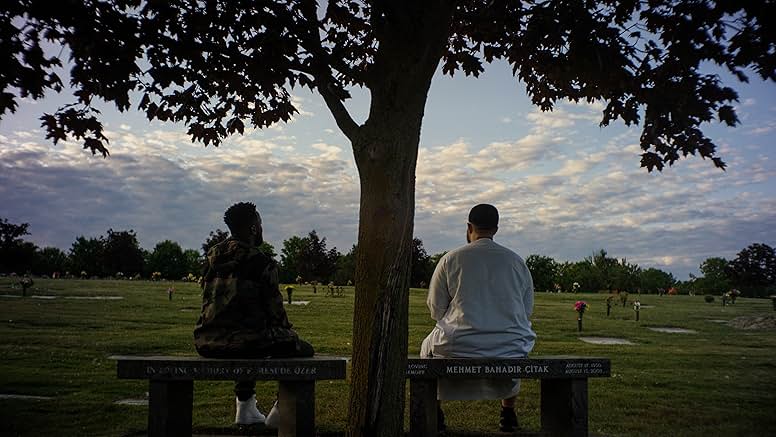
The film confronts an experience Muslim communities have long processed in private: gang involvement, street violence, and the pull of street culture on young men who feel institutions like schools, mosques, employers, and the law have failed them or never served them. Bringing that experience into a film that is both honest and grounded in Islamic values is not a small achievement.
Watch It. Then Talk About It.
This film opens up conversations that Muslim communities, families, mosques, and youth organisations need to have. It looks at the gap between the Islam young people are taught and the world they live in, what it costs a community when someone is lost to the streets, and whether that loss could have been prevented.
Purple Don’t Cry does not answer all of those questions. It is not that kind of film. What it does is name the problem with enough clarity and enough humanity that the conversation becomes harder to avoid.
Watch it. Then talk about it.