

By: Nargis Naqvi
The world paused in disbelief when, in 2024, a real banana taped to a wall sold at auction for $6.2 million USD. A banana. Taped. To a wall. People asked, Is this really art? Or perhaps the more uncomfortable question: What have we allowed art—and ourselves—to become?
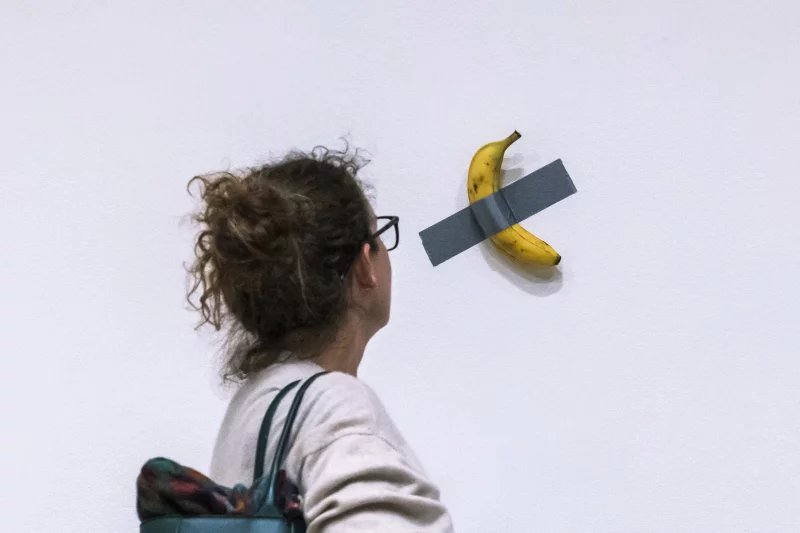
Some rushed to defend it. All art is valid, they said, as though questioning it was an insult to creativity itself. The piece was titled Comedian, which felt fitting—because it truly was a joke. Not necessarily by the artist, but by a world willing to place an astronomical price tag on shock rather than substance. Many found it absurd, even offensive, to call it art at all.
And yet, the incident opened up an important conversation: why is art such a coveted asset? Why do artists issue Certificates of Authenticity? Why does original art often increase in value over time—something many people don’t even realize is possible?
Think of carpets.
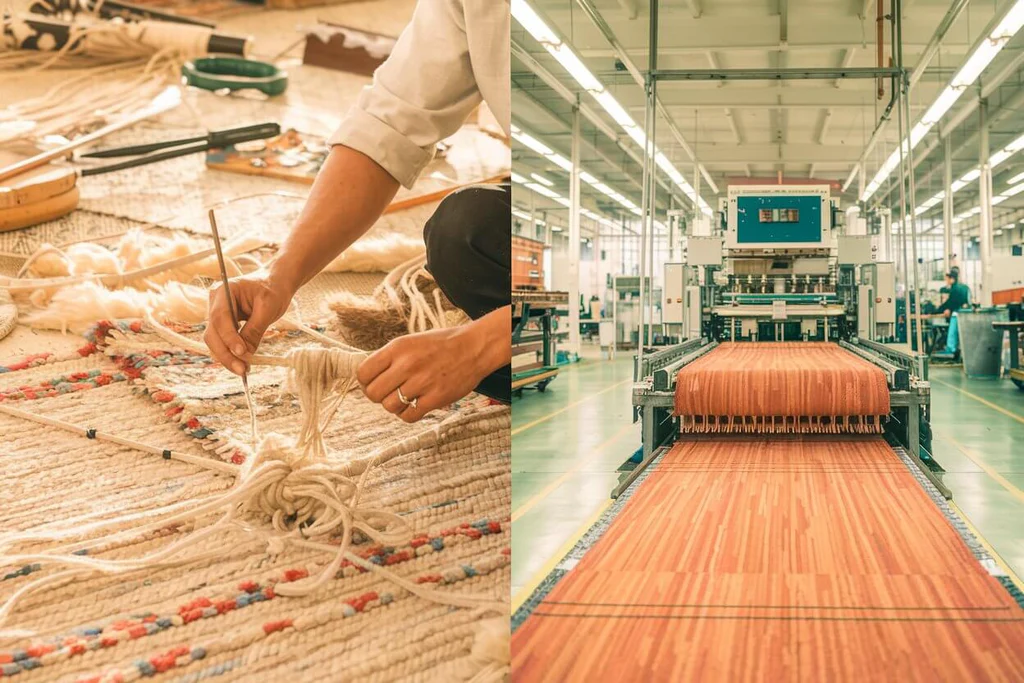
There are two kinds: machine-made and handmade. Machine-made carpets are flawless, symmetrical, and endlessly reproduced—same design, different sizes, different colours. Handmade carpets, especially wool or silk, are rarely perfect. Their patterns shift slightly. Their lines wander. They carry the marks of the hands that made them—village artisans, men and women working with imagination, tradition, and natural dyes. Despite their “imperfections,” or perhaps because of them, handmade carpets are more valuable. Over time, they appreciate.
Walk into a space with a handmade carpet and you feel the difference. There’s warmth, depth, and authenticity. Those small inconsistencies tell a story.
Art works the same way.
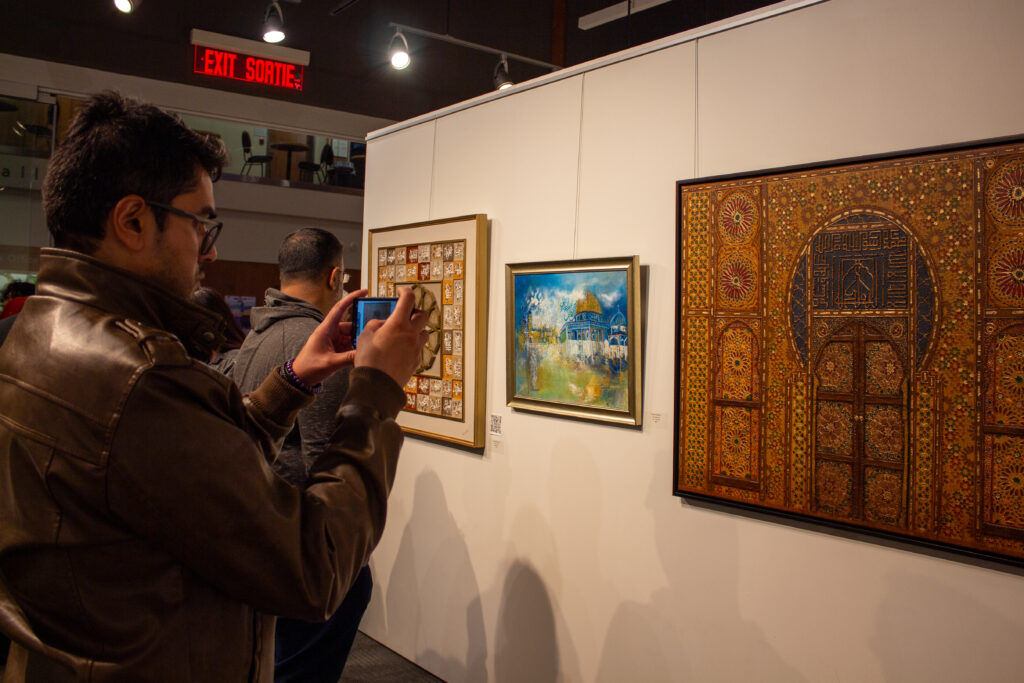
An artist pours emotion, intention, and lived experience onto a canvas. Each brushstroke becomes a signature—unrepeatable, irreplaceable. No one else will ever own that exact work. It can live in your space, spark conversation, and be passed down through generations. Its value depends on many factors, but at its core, it is a unique asset—one that carries soul, not just aesthetics.
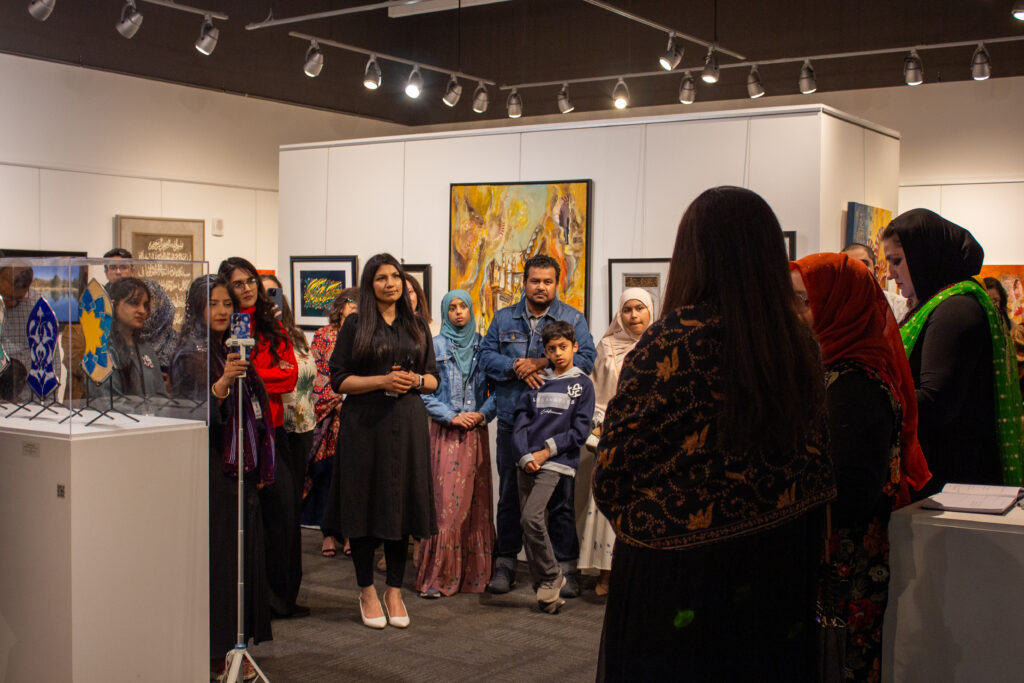
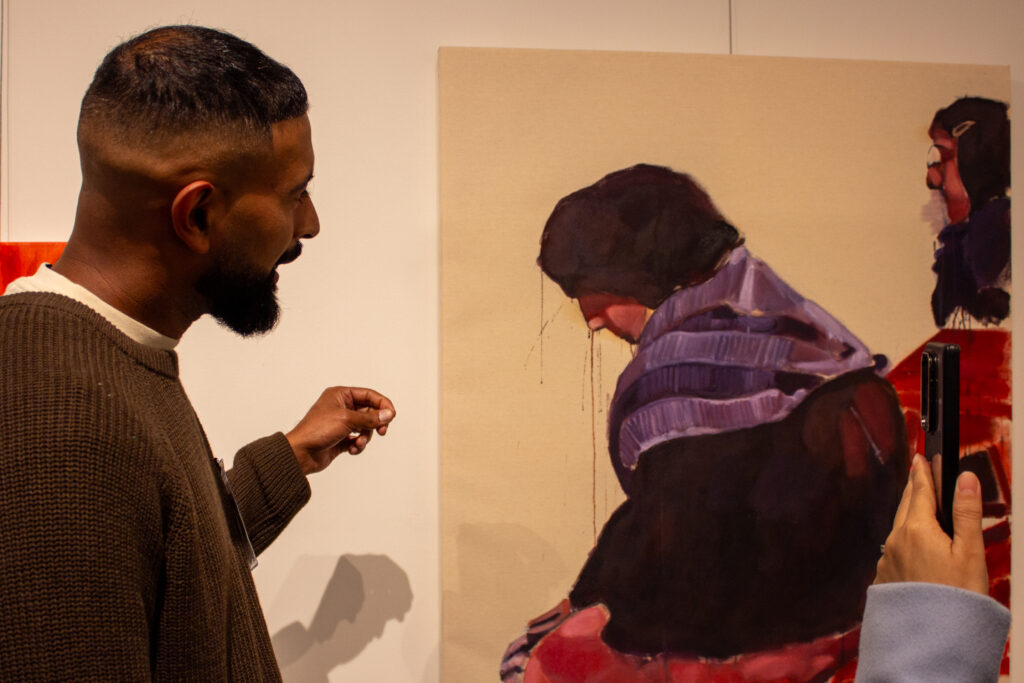
In Canada, that belief is at the heart of The Artist Cube, a non-profit organization dedicated to amplifying Muslim artists and their stories. During Islamic Heritage Month in October 2025, this vision came alive at the Holcim Gallery in Milton, Ontario, where over 50 original works were displayed—landscapes, 3D pieces, still life, calligraphy, impressionist and ethnic works. Each piece was a reflection of faith, identity, and the talent gifted by Allah.
There is simply no comparison between mass-produced prints from a department store and original art created over weeks of dedication and struggle. Supporting real art means supporting real stories.
To rent, buy, or exhibit original artwork or to join as an artist, visit us at